
Amidst the dynamic world of education and technology, some schools are the real lighthouses of innovation and form minds that will evolve into the transformers of societies. One of such institutions is the Centro Politecnico Superior which is a center of engineering education, technical research and professional growth. It is characterized by a strict system of academic studies and adherence to practice that have brought to the world generations of engineers, architects, and innovators who have made a mark that cannot be removed in the national and international arena.
This is a blog post that takes an in-depth analysis of the Centro Politecnico Superior world. We will discuss its history, academic programs, student life, research and development, student life, and its applicability throughout the world. In the process, we will bring out how this institution has to date been able to bridge the gap between theory and practice and positioned its students to the complexities of the modern world.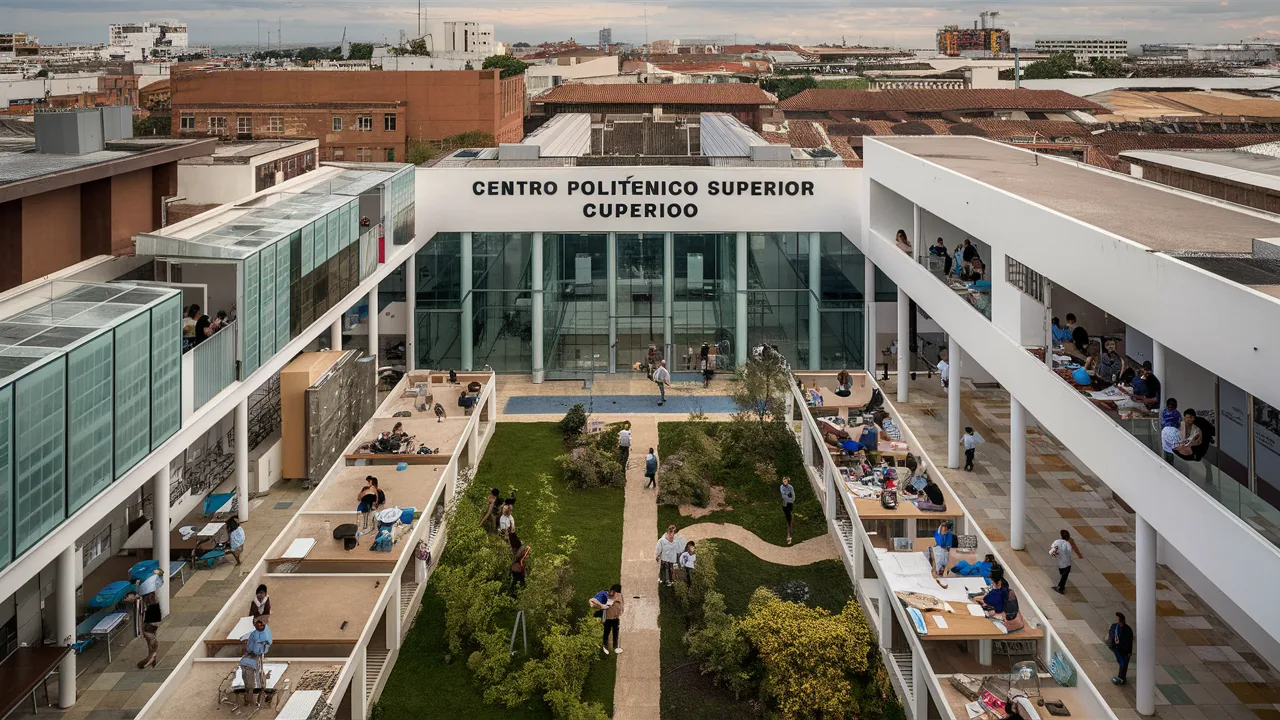
History Historical Development of Centro Politecnico Superior.
It can be traced back to the period when Spain was in the midst of a transformation of vast industrial and technological changes and this marked the beginning of the Centro Politecnico Superior. The institution was started in response to increasing demands of technical training of highly skilled engineers that could meet the demands of the modern industry. The school initially majored in industrial and mechanical engineering but shortly, it grew to encompass up-and-coming disciplines like electronics, telecommunication, and computer engineering.
Disciplines of architecture and urban planning were subsequently incorporated and this portrays a comprehensive approach to technical education. The Centro Politecnico Superior developed over the decades with the national reform of education becoming part of the Escuela de Ingenieria y Arquitectura of the Universidad de Zaragoza. So, even though its structural changes did not suppress its main mission, which is to offer rigorous education in a balance between theory, innovation, and practical experience.
The institution today is not only known to have a great academic reputation but it has also led in the sphere of research and industry partnership. The history of its development is the evidence of the foresight of the founders of CPS. They knew at the start that education in engineering could not be seen in a vacuum. It had to respond to industrial developments, technology in the world, and demands of people. It is this dynamism that has enabled CPS to live through the changes that have been experienced in the fields that it services in a dramatic manner.
Campus and Facilities A Contemporary Learning Ecosystem.
The Centro Politecnico Superior is properly placed at the campus river e bro Campus Río Ebro in Zaragoza, a city which is culturally rich and has a prosperous academic setting. The actual campus is a well planned eco-system combining modern education and research facilities, collaborative as well as recreational areas that would provide an environment that would promote learning and innovation. The architectural illustrations of the campus buildings depict the dedication of the institution to incorporate functionality and inspiration.
A good example is the Ada Byron Building, named after the first computer scientist Ada Lovelace. It is a center of computing and information technology fields; it is fitted with modern laboratories, coding studios and smart working environments. The other important facility is the Torres Quevedo Facility which focuses on the engineering of experiments and robotics. It is called after the Spanish innovator Leonardo Torres Quevedo and provides the students with the chance to work with practical projects that will allow them to put the theoretical knowledge into life.
In addition to its physical facilities, the university has a culture of intellectual curiosity and cooperation. Open spaces to be used in group discussions, interdisciplinary projects, and informal learning are an addition to lecture halls. The cafeterias, libraries, and lounges are also built to promote interaction between the students, academic staff as well as visiting professionals to form an academic community that is rich in activities.
Academic Programs and Philosophy of Learning.
Centro Politecnico Superior is founded on a single idea: to produce professionals who are technically skilled, but who can think, solve problems, and be innovative. This vision is then reflected in the curriculum that incorporates intensive theoretical background, as well as, practical implementation and research opportunities. CPS programs cut across the wide spectrum of engineering and architectural domain.
Mechanical engineering courses focus on the design, analysis and optimization of machines and systems whereas electrical engineering and electronics engineering courses focus on circuits, energy systems and telecommunications. The programs of computer and software engineering are oriented on the programming, the architecture of systems, the new directions of artificial intelligence and cybersecurity. Civil and civil infrastructure engineering courses touch on environmental friendly construction, structural analysis and urban development.
In the meantime, architecture courses are mixed with technical skills and artistic and practical design modes, so that graduates can be able to design not only beautiful spaces but also functional spaces. The difference is in the fact that CPS is devoted to experiential learning.
Textbooks and lectures are not the only methods used with students, they are also advised to do research, have projects in the real world as well as partner with industry players. Internships and cooperative education programs and projects based on laboratories enable students to put their knowledge into practice that is to close the gap between theory and practice.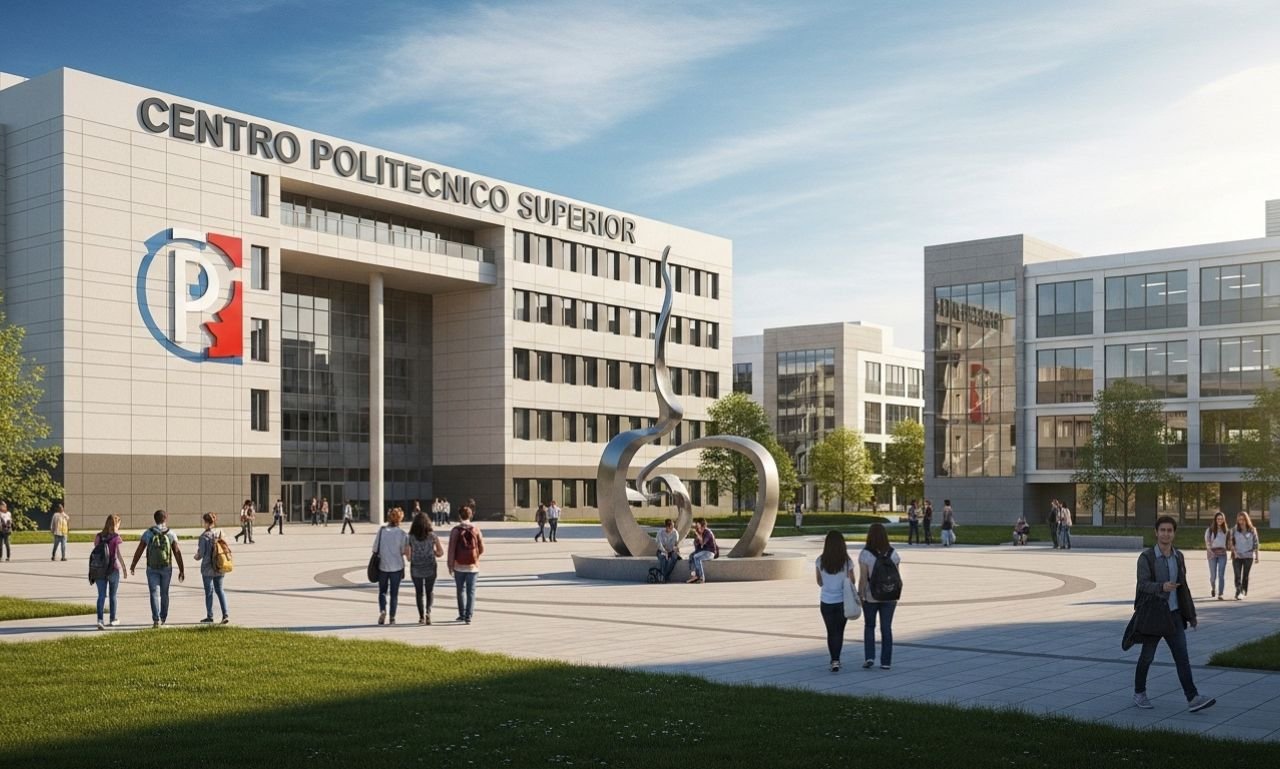
Research and Innovation: Technology Advancement.
Centro Politecnico Superior has been extremely research and innovation-oriented. Its research centers and laboratories are to respond to the modern-day demands of engineering and technology. CPS has led the technological revolution in robotics and automation, as well as sustainable infrastructure and renewable energy. CPS research initiatives have a relatively high number of collaborative research efforts, including faculty, students, and industry partners.
In advanced manufacturing, such as in the case of students and researchers, they create automation systems and intelligent robotics solutions that make their work more efficient and productive. Infection technology and telecommunications labs concentrate on the most advanced innovations in networking, cybersecurity, and software engineering, so that graduates have an outstanding preparation to work in the digital economy.
The other CPS research attention is sustainability. Both the curriculum and research projects have energy efficient building designs, renewable energy systems and environmental responsible engineering practices built in. By solving such international problems, CPS does not just work on an academic level, but has a practical effect on the world and nature.
Student Life: Out of Classroom.
Life in Centro Politecnico Superior is not just limited to the academic activities. The institution supports a holistic view of developing the students focusing on social, cultural and personal growth in addition to professional education. There are numerous clubs, societies, and extracurricular activities that are available to students to supplement the academic life. Students can find these engineering clubs, coding societies, robotics teams, architecture studios, and others, where they can pursue their interests, work on innovative projects, and get a chance to develop their leadership skills.
Competitions, hacks, and design challenges are motivations to be creative and solve problems and enable students to challenge the limits of their knowledge. Another community involvement is another part of the student life at CPS. The service-learning projects allow the students to be exposed to the community that they live in so that they can be able to use the technical skills they learned to address real-life problems. Such programs do not only increase the practical learning, but a sense of social responsibility and civic activism is also inculcated.
There are also cultural and recreational activities which add more to the student experience. The events such as festivals, exhibitions, and interdepartmental events bring about networking, collaborating, and self-developing. CPS encourages students to learn in a rich and nurturing environment to make sure they do not only graduate as professionals but also as well-rounded individuals.
Collaboration in the industry and professional development.
The firm association with the industry is one of the specific features of the Centro Politecnico Superior. The institution has been very active in working with companies, research organizations and government agencies so that its programs are not outdated and the students are made to have a practical experience. The partnerships between industries are very diverse and they can be in the form of sponsored research projects, internships, cooperative education programs, and professional workshops.
Such partnerships enable the students to work on practical challenges, get exposure on the latest technologies, and acquire skills that are relevant to their career. CPS boasts of a network of alumni and industry professionals, as well, who mentor students, offer career advice and open up career development opportunities. This engagement into the professional world will not only make them employable but will also make sure that the graduates are prepared to be a part of the workforce on the day of graduation.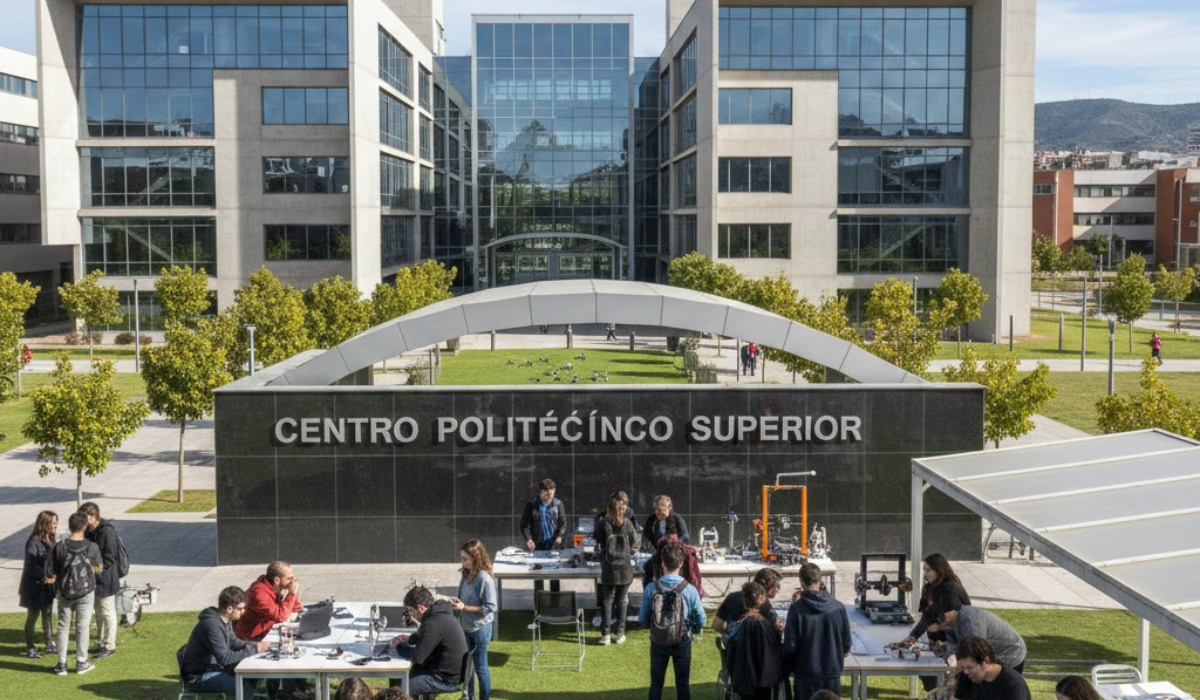
Centro Politecnico Superior Global Relevance.
Placed in Zaragoza, Spain, the Centro Politecnico Superior has a presence not only in the country but also in the outside world. The institution reflects the history of poly-technic education that is known worldwide as rigorous, innovative and practical. CPS has a presence in the global arena through research and collaborative efforts, student exchange programs, and attendance of global conferences, which also help advance engineering and technical education across the globe.
CPS can use this to make its graduates to be competitive and flexible in the global labor market by aligning its programs with the international standards such as Bologna Process. Such global approach makes the students ready to work in complex and multicultural professional settings and also engage in projects, which have global effects.
Frequently Asked Questions
What then is the Centro Politecnico Superior?
Centro Politecnico Superior is an engineering and technical school of the University of Zaragoza. It is reputed to have all inclusive programs in engineering, architecture, and technological researches.
In what position is the Centro Politecnico Superior?
The institution is situated on Campus Río Ebro in Zaragoza, Spain, the city with academic and cultural background.
What programs does CPS offer?
CPS offers courses in various engineering field such as mechanical, electrical, computer, and civil engineering, architecture and urban planning. Its courses lay stress on both theoretical and practice.
What is the industry interaction of CPS?
CPS also engages other companies and research organizations in sponsored projects, internships, co-op programs and workshops to provide students with practical experience and professional exposure.
Why is CPS globally relevant?
CPS equips students with international careers in engineering, architecture and technology by way of research partnerships, student swapping and keeping to international academic requirements.
Conclusion
The Centro Politecnico Superior is a symbol of technical perfection and pedagogical novelty. Since its beginning as an experimental technical school up until now, as a part of the University of Zaragoza, CPS has served as an illustration of the transformative value of an education based on both theory and practice. Its dedication to studying, innovation, student growth, and involvement in the industry makes sure that the graduates are adequately prepared to meet the requirements of the contemporary world.
The Centro Politecnico superior is a portal of success to those students who desire a challenging, motivating and career enhancing study experience. Its long-standing culture of enhancing creativity, technical skills and global competitiveness is still reflected in the way the engineers and architects of tomorrow are being formed.
About the Writer
The owner of this blog post is a professional education and technology writer who has a lot of experience in the exploration of academic institutes around the world. The author has spent several years of research in the development of technical and engineering education with the focus placed on institutes that combine both academic performance and practical innovation.
They are concerned with linking students to transformative learning experiences and offer information on how learning affects a professional and social growth. By conducting extensive research and using a narrative approach in storytelling, the author wants to make the complicated educational issues interesting, informative, and encouraging.