
The invention of antibiotics was one of the most revolutionary events in the history of medicine as it has entirely altered the way humanity approaches disease. And even simple wounds like cuts or scratches could turn into fatal infections before the wide access to antibiotics. Diseases such as pneumonia, tuberculosis and septicemia killed millions of people annually and medical professionals were left with little to do to fight bacterial infections.
The development of antibiotics, especially penicillin and streptomycin changed this ugly picture altogether. Not only did these drugs save lives, but they also created new possibilities in terms of surgery, bringing life into the world, and chronic disease treatment. Strepto penicillin is not a scientifically formal term, but is commonly used to informally describe the joint significance or combined use of streptomycin and penicillin in antibacterial therapy.
It is not simply a matter of learning about drugs, but rather a matter of discovering a revolution in medicine with these antibiotics. Their efforts restructured the health system of people; increased their life expectancy and gave rise to the modern medicine. This is a comprehensive and fascinating examination of the background, usage and continuing relevance of streptomycin and penicillin since its publication significantly explored the history, use and continued importance of these medications.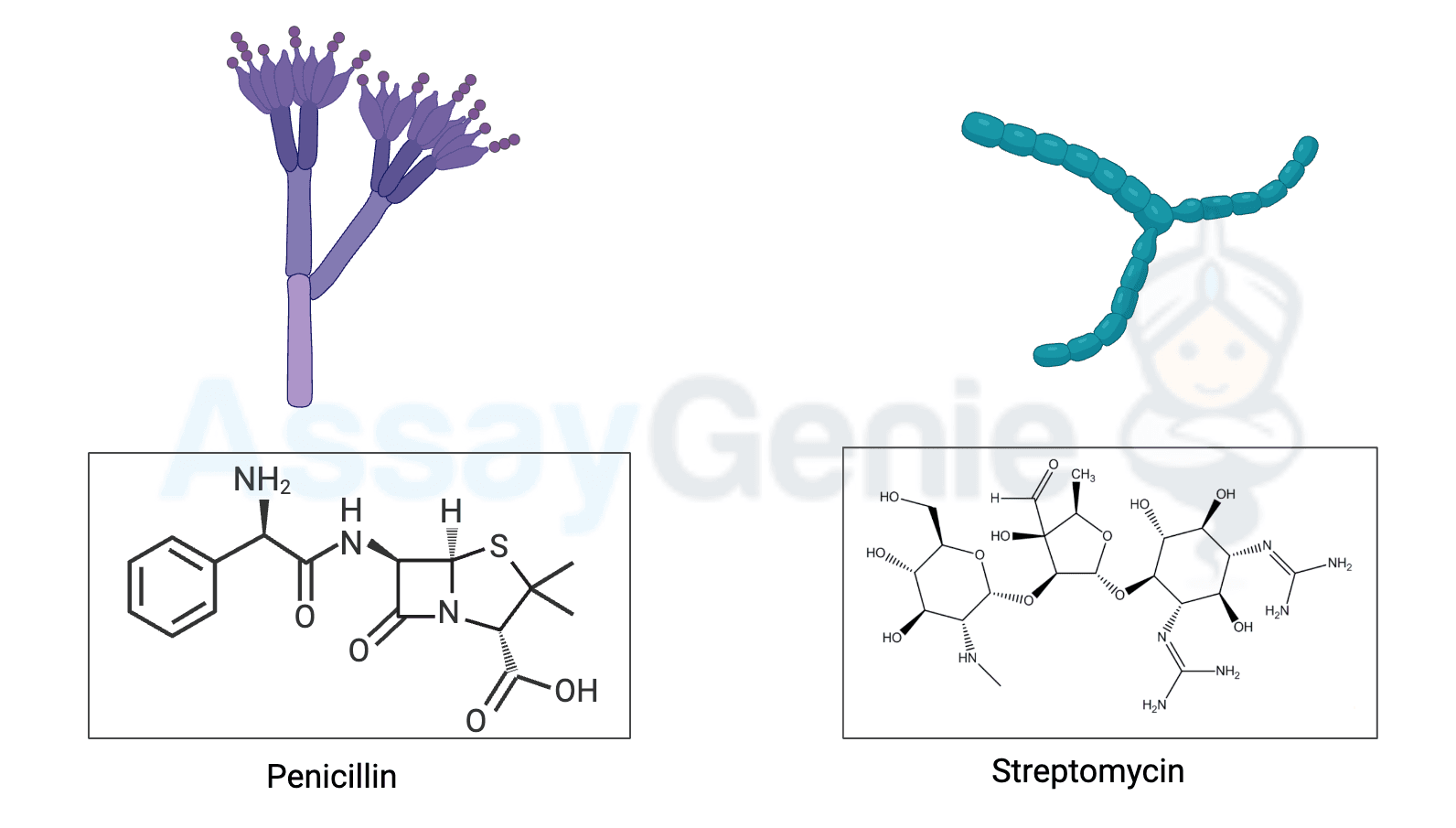
The Historical Roots of Antibiotics
The development of antibiotics started much earlier than the discovery of the antibiotics itself. Ancient people tapped into the antibacterial properties by using natural materials like moldy bread and plant extract to treat infection. But only in the 20th century with the scientific progress were these observations comprehended and turned into useful medicines. Alexander Fleming was the first to discover this when in 1928 he observed that a mold growing on his bacterial cultures was inhibiting bacterial growth.
This was a strepto penicillin mold, named Penicillium notatum, which gave birth to penicillin. Fleming discoveries were initially ignored, but it was eventually improved and manufactured in large quantities during World War II and saved numerous infected soldiers. In 1943, Selman Waksman and his associates discovered streptomycin. It was a derivative of soil bacteria, and it was the first effective treatment against tuberculosis, which had been a scourge of the human race for a long time.
This discovery further cemented the significance of antibiotics and increased the possibility of treating diseases previously untreatable. The cumulative legacy of these findings can be a landmark in the history of medicine, with the era of being at the mercy of bacterial infections long gone.
Understanding Penicillin
One of the most recognized antibiotics and a member of the beta-lactam family is penicillin. It has an elegant and very effective mechanism of action. It acts by interfering with the production of the bacterial cell wall without which bacteria cannot survive. Bacteria will be unable to sustain their structure without having a stable cell wall and will end up bursting and dying. This antibiotic is particularly useful with gram-positive bacteria, with thicker cell walls. Throughout the years, researchers have come up with many derivatives of penicillin in order to increase its usefulness.
These are amoxicillin, ampicillin, and other semi-synthetic derivatives that are aimed at overcoming the resistance of bacteria and enhancing their absorption in a human body. The use of penicillin is not limited to its clinical role. The mass-produced first antibiotic, it was the precursor to a new wave in pharmaceutical development. It is still used today as a first-line agent against most infections because it is inexpensive, safe and effective.
Understanding Streptomycin
Streptomycin is also a member of the other category of antibiotics called aminoglycosides. Contrary to penicillin that attacks the bacterial cell wall, streptomycin interferes with protein synthesis. It attaches to the bacterial ribosome, inducing mistakes in the production of protein, and eventually resulting in the death of the bacteria. This process has rendered streptomycin effective specifically against gram negative bacteria and some serious infections. It has had its greatest application in the treatment of tuberculosis where it has contributed significantly to the lowered rate of mortality across the world.
But streptomycin has its own difficulties. It should be used cautiously as it is toxic in nature. Medical attention should be paid close to side effects like hearing loss and kidney damage. Nevertheless, its relevance in the modern medicine cannot be doubted because of its effectiveness in the treatment of severe infections despite the mentioned risks.
The Concept of “Strepto Penicillin”
The term strepto penicillin is a reflection of a larger term used in medicine: combination therapy. Although penicillin and streptomycin are not usually prescribed as a combination drug, they can be administered together in some courses of treatment. The rationale of this method is that by striking the bacteria in several different ways, it becomes more likely to be treated successfully. Penicillin destabilizes the bacterial cell wall and streptomycin interferes with the production of internal proteins. They act in concert to produce a more combative attack against bacterial infections.
Combination therapy can be very helpful in the treatment of severe or resistant infections, which some antibiotic alone cannot treat. It also assists in lessening the chances of bacteria developing resistance, which would require them to develop to work with various mechanisms concurrently.
Mechanisms of Action Compared
Further comparison of these antibiotics will reveal that they are complementary. strepto penicillin acts on the outer layering of the bacteria, and is especially effective at the stage of growth when bacteria are actively dividing. Streptomycin, on the other hand, acts by interfering within the body by affecting protein synthesis.
This has the advantage of acting on bacteria even when they are not actively in the process of division giving it a large spectrum of action. Together with these mechanisms, a more effective treatment strategy is possible. Healthcare providers can obtain improved results in complex cases by combining the destruction of the bacterial structure with the interference of its internal functions.
Medical Applications
strepto penicillin is still popular in the treatment of a number of infections, such as respiratory tract infections, skin diseases, and sexually transmitted diseases. Its many uses and safety have cast it as a staple of modern medicine. Streptomycin is more specialized and is only usually used in serious cases like tuberculosis and some rare cases of bacteria. It is usually administered alongside a combination of other drugs to achieve efficacy and to avert resistance. In other instances, antibiotics can be combined to treat life-threatening diseases, like endocarditis. This illustrates the application of the streptococci penicillin concept to the clinical setting.
The Rise of Antibiotic Resistance
Antibiotic resistance has been one of the most urgent issues in medicine nowadays. The use of antibiotics has resulted in the emergence of bacteria resistant to the most effective treatments. Resistance to strepto penicillin is common by the production of enzymes which digest the drug and streptomycin resistance may be due to genetic mutations in altering bacterial ribosomes. To resolve this problem, a complex strategy will be needed, such as responsible prescribing, patient education, and research. Combination therapy, as envisioned in the concept of strep penicillin, is still a significant tool in the resistance fight.
Side Effects and Safety Considerations
Antibiotics can save a life; however, they are dangerous. strepto penicillin is mostly safe and in rare cases, it can lead to allergic reactions in individuals. These reactions may include a mild skin irritation and severe anaphylaxis. More attention should be paid to streptomycin because it may lead to its toxicity. There are many patients who are observed closely during the treatment to avoid hearing and kidney problems. Both healthcare providers and patients need to gain knowledge about these risks in order to treat each other safely and effectively.
Modern Developments and Alternatives
The discovery of strepto penicillin was the beginning of several more antibiotics developed. These are advanced beta-lactams, macrolides and more recent aminoglycosides. In spite of these advances, the original antibiotics are still useful. They are effective, cost-efficient, and historically important and thus will be used more often in areas where more modern drugs are unavailable. There is still ongoing research on the development of new treatments, such as synthetic antibiotics and other forms of treatment, like bacteriophages.
Global Impact on Healthcare
The effects of antibiotics worldwide can hardly be overestimated. They have vastly improved the quality of life, drastically decreased mortality rates, and made difficult medical operations once too dangerous. Availability of antibiotics in most regions of the world has changed the health situation of people. But there are still inequalities and there is still a push to make these life-saving drugs equally accessible. The practice of the responsible use of antibiotics in public health campaigning is still under lines of ensuring effectiveness of these antibiotics in their use in future.
Ethical and Social Considerations
The application of antibiotics brings up some serious ethical implications. The excess use and abuse have led to the emergence of resistant bacteria and this has become a menace to health around the world. The health care systems are forced to strike a balance between the urgent requirement to cure the infections and the long-term aim of maintaining the efficacy of antibiotics. Education, regulation, research are all important issues in tackling these challenges.
Frequently Asked Questions (FAQs)
What is the meaning of strepto penicillin?
The informal word is used to mean the association or concongressive use of streptomycin and penicillin in the treatment of bacterial diseases.
Do we use these antibiotics today?
Yes, they are in use, still, but as oftentimes in combination with more recent antibiotics based on the condition.
Is it possible to treat all the infections with antibiotics?
No, antibiotics will not work on viruses, just bacterial infections.
What is the importance of combination therapy?
It enhances the effect of treatment and eliminates the effects of antibiotic resistance.
Can antibiotic resistance be reversed?
Resistance can be slowed by decreased antibiotic use in certain instances, although is a complicated international problem.
Conclusion
The tale of strepto penicillin is not merely a chapter in the history of medicine, but a continuing story that is shaping the future of medical care and health care globally. These antibiotics are the culmination of scientific interest, determination and invention in the presence of enormous challenges, the power of mankind to conquer fatal infections that once wiped out millions of lives. strepto penicillin is not only a slogan representing two medicines, but a policy, a philosophy and a history of combating disease with knowledge, research and international cooperation.
It stresses the ability of scientific discovery to change lives, and to bring hope and healing where there was only fear and doubt. Today, as we enter the age of a medicine that is rapidly changing, the lessons of these discoveries are as important as ever. To maintain the usefulness of antibiotics, the world needs to work together, use them responsibly, educate and conduct research on new antibiotics to curb the increasing menace of antibiotic resistance.
We can make sure that these life-saving devices will be available to future generations and will still save humanity against the unseen threat of bacteria infections, will enhance health rates, and general living standards in the entire world by knowing their history, understanding their working principles and their tremendous importance.
And finally, strepto penicillin remain long-lasting pillars of medical development, evidence of what the world is capable of achieving when curiosity, knowledge and willpower are combined to solve one of the most daunting problems in human existence: the contest against infectious disease. Their contribution doesn’t just remain scientific but is also incredibly human, reminding us of the value of innovation, responsibility and hope in building a healthier tomorrow, across the board.
About the Writer
The author of this blog is an avid content developer who is particularly interested in medical science, innovation in healthcare, and awareness of public health. Having experience in writing both comprehensive and captivating long-form articles, the author is interested in making complex issues easier to understand by a wider audience. By conducting extensive research and presenting it in an intelligent and highly motivational way, the author hopes to inform, educate and prompt readers to be more aware of the scientific breakthroughs that define our world.