
Wildlife management has emerged to be one of the most delicate and tricky issues of environmental governance across the world. The decision-making institutions at the wildlife level have a huge responsibility as countries balance the ecological conservation and economic growth with cultural customs and the security of the population. One of such critical bodies in Norway is called Viltnemnda. Although the term is not well known outside of the Scandinavian sphere, it is a key term in the development of the management of wildlife on the municipal level in Norway.
The search term is Viltnemnda, which is a Norwegian local wildlife board, functioning under national laws and policies on the environment. The following boards make decisions concerning the hunting quotas, the control of the population of wildlife, conservation and resolving of conflicts between the people and the animals. Where dramatic scenery, large forests, and such representative wildlife as moose, reindeer, lynx, and wolves are the rule, proper wildlife management is not only an environmental issue, but a cultural and economic imperative.
The concept, structure, purpose, and significance of Viltnemnda have been explained in the post. It looks at its legal basis, structure of operations, its importance to the environment and the social implication. It also contemplates the issue these wildlife boards encounter in this contemporary times and their role in sustainable management practices. Answers to frequently asked questions will be explained with a special section of frequently asked questions, and a reflective conclusion will be made on the role and relevance of Viltnemnda in modern environmental governance.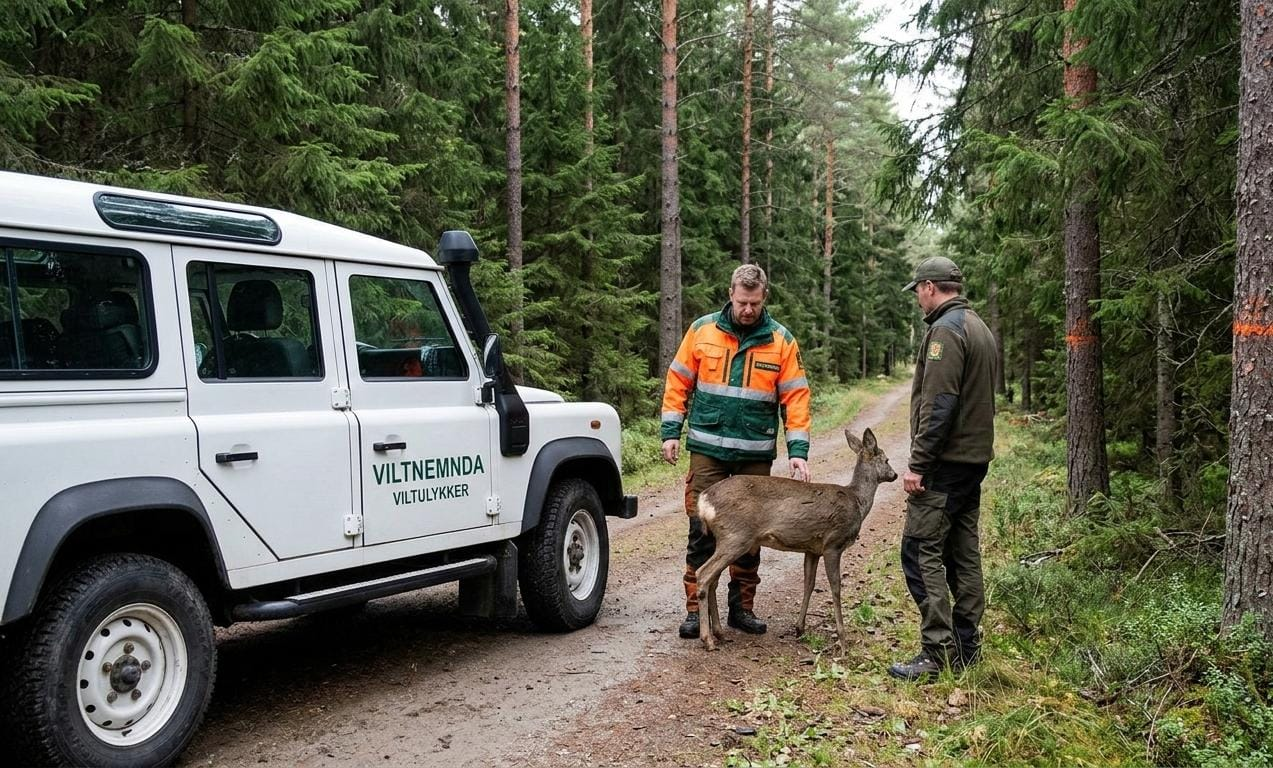
The Sense and genesis of Viltnemnda.
Viltnemnda word has Norwegian language origin. The term vilt means wild game or wildlife and nemnda is the committee or board. Collectively, the term means a wildlife committee that governs wildlife in the region. Wildlife management in Norway is highly based on local democracy. Municipalities are granted the power to create wildlife boards which decisions have to be made in line with national laws but depending on the ecological factors in the area. This devolution enables viable and community based solutions that capture the realities of the environment in the region.
Viltnemnda is a notion developed out of the close connection that Norway has ever had with nature. Traditionally, rural inhabitants were required to survive on hunting and fishing. With time and increase in environmental consciousness and change in the behavior of the wildlife the necessity of organized legally structured management of the wildlife was realized. Viltnemnda is the institutional answer to this requirement.
Laws that regulate Viltnemnda.
Viltnemnda works under the Wildlife Act of Norway which is called Wildlife Act. This law offers the general guidelines on the conservation of wildlife, sustainable use and prudent hunting habit. The Act stresses the fact that wildlife is a national resource, which is not property of individuals. Thus, ecological sustainability should be put at the forefront of its management and good to the entire society. Viltnemnda operates with this legal system, making decisions that are in line with the national regulations but at the same time taking care of local needs.
Besides the Wildlife Act, the Norwegian Environment Agency also has an impact on the environmental oversight. This agency offers directions, scientific information, and standards of regulation which should be adhered to by local wildlife boards. Operating within this stratum of legal norms, Viltnemnda makes sure that the local self-rule does not undermine the national conservation objectives.
Form and Constitution of Viltnemnda.
Viltnemnda is usually made of elected members of the municipal council. Members may also have a history in the field of forestry, environmental science, or agricultural and hunting associations or local government. The board is a democratic board as it meets on a regular basis to discuss the wildlife population information, hunting application, and conflict resolutions.
Decision making is documented in a formal way, which is very transparent and accountable. Viltnemnda represents the community unlike the purely bureaucratic institutions. This grass-root level makes the citizens active in the wildlife management process even though indirectly, through their local government.
Responsibilities and Core Functions
The role of Viltnemnda is extensive and as much tied up with the interests of ecological and societal interests. Its major operations involve: Quota of hunting according to population measurement. Taking hunting permits of species like moose, deer and small game. Surveillance on the population of wildlife in partnership with national agencies. Resolving the problem of human-wildlife conflicts, such as the destruction of crops or hunting of livestock. Funding animal welfare projects on the conservation of endangered species.
Even though the board does not work in a vacuum, it has a significant responsibility of how the national environmental objectives are converted to local strategies that are actionable. Control of Wildlife Population. A noticeable task of Viltnemnda is the control of the population of wildlife. In Norway, the moose species can create traffic accidents and damage forests in case the population increases too much. On the other hand, predators such as wolves may cause tension within rural villages whereby people worry about safety of livestock.
An example of this is the wolf debate, which has been influenced by the Rovviltnemnda that is managing large predator at the regional level. Viltnemnda usually liaises with such organs so that it can make balanced decisions that would not harm the ecological diversity but safeguard the interest of the community. The decisions on population management are evidence based. There are surveys, tracking systems, and collaboration with researchers using them to give evidence about quotas to allocate and conservation.
Wildlife Population Management
The hunting in Norway is not just a recreation activity, but it is a part of the culture. Examples of this include seasonal moose hunting that unites communities and is a source of local economies. Viltnemnda makes sure that hunting activities are sustainable and ethical. It controls seasons, quotas and safety provisions. In this way it avoids overhunting as well as preserving the traditions which have formed Norwegian rural identity over centuries. Another aspect that the board enforces is education on responsible hunting by enhancing the value of ecological balance and legal practices.
Solving Human-Wildlife Conflict.
With urbanization and development of agriculture touching on the habitat of wildlife, there is bound to be conflict. The deer may damage the crops and the residents may be scared of predators around the populated areas. Viltnemnda is an intermediary. It appraises damage reports, grants protective measures and occasionally grants limited culling in case of necessity. Its choices are meant to reduce the amount of harm to both human beings and animals.
The process of conflict resolution must be sensitive. The processes of wildlife management sometimes touch on emotional and ethical factors particularly when the species being managed are those that are under protection.
Protecting Biodiversity and Conservation.
The issue of population control is significant, but conservation is also one of the main missions. Norway has a wide range of ecosystems that comprise forests, mountains, tundra, and coastal areas. Conserving the biodiversity in these environments is a key to the environmental health in the long-term.
Viltnemnda plays a part by making sure that hunting and land use does not endanger the vulnerable species. It works alongside conservation activists and environmental groups to protect habitats. The role of the board can show that conservation and sustainable use are not mutually exclusive but can exist and co-exist due to proper planning and monitoring.
Community Interaction and Community Confidence.
Decentralized systems of governance like Viltnemnda depend greatly on people trusting them. Legitimacy is provided by open communication and active participation by community. Accountability is encouraged through public meetings, availability of the decision records and collaboration with the hunting associations. In cases where the residents are informed and heard, there are better compliance with the wildlife regulations. This participatory nature is what makes Viltnemnda stand out compared to systems that are centralized and seem to be remote or non-responsive to the local issues.
Contemporary Problems of Viltnemnda.
In spite of these strengths, Viltnemnda has changing challenges. Climate change would change migration of wildlife and breeding cycle. The urbanization decreases the natural habitats. There is a debate on predator control and conservation ethics that is intensified through social media.
It may be hard to balance scientific evidence and popular opinion. To take an example, predator management is a controversial issue especially when wolves and lynx are mentioned. Also, the small town resources can overstretch the administration. With the increased complexity of environmental concerns, local boards have to adjust to new information, technology and expectations of the society.
The Role of Science and Data
Scientific research is important in the modern practice of wildlife management. The population modeling, satellite tracking, and ecological surveys are used in decision-making. Viltnemnda uses the information presented by the state agencies and research institutes. Evidence-based decisions will increase the credibility and limit the implementation of unsustainable practices. This science policy fusion is an extension of Norway, as a whole, taking environmental stewardship and transparency.
Wildlife Boards and the International Perspective.
Although Viltnemnda is unusual in its structure and terms, there are other countries that have such wildlife boards. Canada, Sweden and even the United States have examples of decentralized environmental governance models. Nevertheless, the focus on local democracy and the strong national control in Norway provide a unique balance. Viltnemnda is a good example of how local institutions can effectively exploit the natural resources without affecting the national conservation objectives.
Wildlife management has economic implications.
The management of wildlife has economic aspects. Hunting tourism, meat production, and the ecosystem services are a source of local economies. Viltnemnda has an indirect effect on these economic factors by issuing quotas and healthy wildlife populations. Sustainable management is economically stable on long-term levels, and it eliminates degradation of the ecology. Nevertheless, economic factors will never subdue environmental principles. The law system will be such that sustainability is the primary concern.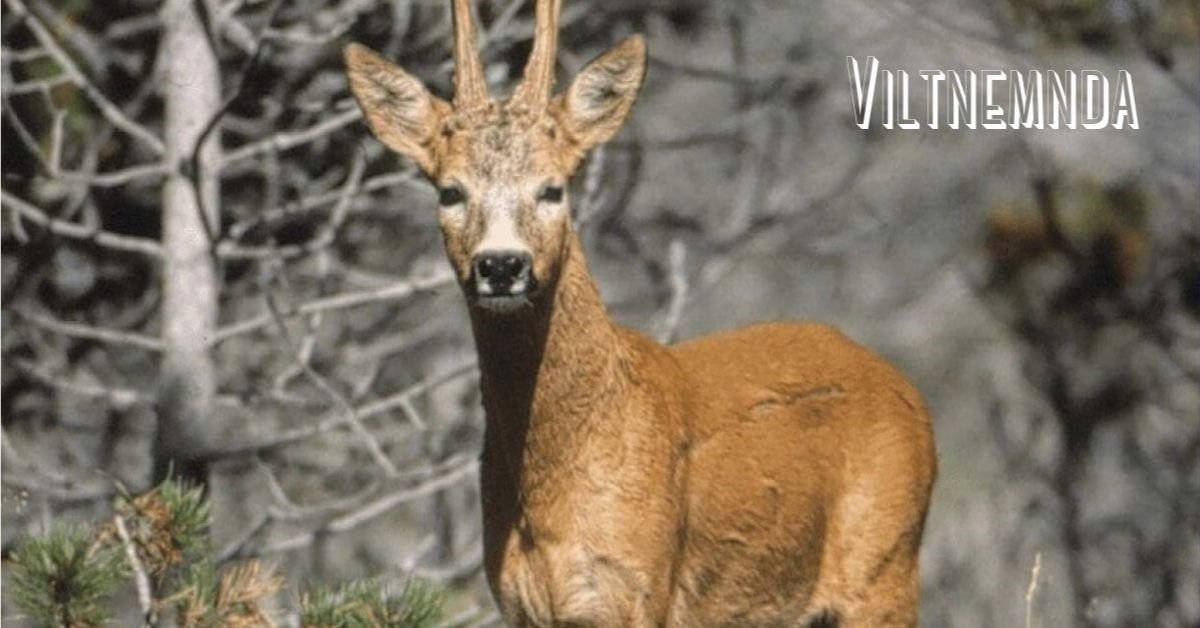
Ethical Issues of Wild Life Governance.
Ethics is a big factor in the decisions made regarding wildlife. The animal welfare issue, the rights of predators, and the integrity of the ecosystem are often raised. Viltnemnda will have to consider these ethical issues. Its actions affect both living organisms and livelihoods of the community. The board aims to maintain fairness and responsibility through the application of transparent operation and basing of policies on law and science.
Frequently Asked Questions (FAQs).
What is Viltnemnda?
Viltnemnda is a Norwegian municipal wildlife board, which handles the local wildlife management and hunting regulation, as well as the conflict resolution.
Is Viltnemnda an organization of the country?
No it is at the municipal opining but it works under national environmental legislations and policies.
What laws govern Viltnemnda?
It has its power mainly based on Wildlife Act and other environmental laws of Norway.
Does Viltnemnda regulate the predator populations?
It engages in predator management at the local level and can co-ordinate with local predator boards.
How are members selected?
Municipal council makes the appointment of the members and they represent the interests of the local communities.
Is it possible to involve citizens in making decisions?
And yes, by means of local democratic processes and systems of participation.
Why is Viltnemnda important?
It guarantees the sustainable management of wildlife and maintenance of a balanced ecological preservation and social and economic requirements.
Conclusion
Viltnemnda is a fundamental element in the Norwegian environmental governance. It is based on the principles of democracy and supported by national legislation that helps to fill the gap between the policy and the practice. It is crucial in helping to preserve the natural heritage of Norway through responsible management of wildlife, regulation of hunting, conservation and involvement of communities.
In a world, where the environmental issues are becoming more and more complicated, organizations such as Viltnemnda prove the effectiveness of the localized decision making in the context of well-developed legal frameworks and scientific inquiry. Its presence highlights a larger idea sustainable coexistence between people and the wildlife can be reached when the governmental institutions are focused on transparency, responsibility, and ecological equilibrium.
The model represented by Viltnemnda may be considered as valuable lessons as the global ecosystems undergo the redesign due to climate change, urbanization, and the loss of biodiversity. Norway has achieved a system that can address the change without compromising the environmental integrity by putting local communities in charge but at the same time ensuring the national control. Innovation, teamwork, and undying devotion to long-term stewardship will make Viltnemnda thrive even more, and this is a strategy that speaks way beyond the borders of Norway.
About the Writer
The author of this article is a committed environment researcher and content expert who has high interest in the governance systems and ecological sustainability. The author is also concerned with this issue of simplifying complicated policy formations to easy to understand language and enabling the reader to comprehend the dynamics of environmental institutions in the society. The author has expertise in the field of environmental studies and analysis of the work in the field of the public policy, so, in this way she wants to offer the informed, balanced, and insightful visions of the issues, which are related to nature and law and community.